Flowers Near Me

Have you ever walked through a grocery store and happened upon the fresh flower market? The aroma hits you like a wave of spring, as the colours create the canvas for some obscure collage of pastels with pops of red and green. The bouquets all wrapped up in crinkly cellophane or dotted wrapping paper. Buckets of fresh cut stems and little pots of flowering plants. Petite teddy bears and foil balloons with tiny cards to send wishes of joy, sympathy and love. It certainly is a feast for the senses. A friend of mine recently posted that she succomed to the calling and bought herself a potted beauty in pink! A personal pick-me-up, she wrote. So many of us are anticipating the fresh coming of spring, with its hope for warmer weather, fragrant earth, and a blip of colour peeking out of the garden. Especially after a year of lock downs, stay-at-home orders and Covid-19.

I never used to like flowers in the garden. Gardens should be practical. Food and useful stuff. Sure, I love a beautiful English Rose Garden, or a field of happy sunflowers, but anything more than a few potted geraniums to keep away the bugs, and it’s fine with me. This year, I am mellowing. Or maybe I am just experimenting with the whole sow and see theme. This year, I picked up flower seeds. Last year we tried a few Candula in hopes to make herbal “tea” – but the few blossoms we tried were not worth the brewing. Our sunflowers were tall, but few, and quickly eaten up by squirrels.

This year I picked up dahlia and nasturtium (you can eat those…practical!). We might even try wild mixes of sweet pea and butterfly-loving wildflowers. Why not?! Maybe I need to break out of my practical mode and be brave (ooh #wordoftheyear) and try my hand at something “impractical”. Or just convince myself that flowers are practical. Self care, perhaps? A personal pick me up? Maybe these flower fun-facts will convince me they belong in my urban garden:

  • nasturtium, pansies, roses, sunflowers and violets are all edible… as are daisies, dandelions, hibiscus and honeysuckle (Check out our post on dandelion honey… so yum!)
  • broccoli is actually a flower!! (also edible…duh)
  • sunflowers are “hyperaccumulators” and suck up all kinds of toxins in the soil… they were even used to clean up the nuclear disasters at Chernobyl and Fukushima (athensscienceobserver.com)
  •  the juice from bluebell flowers was used historically to make glue
  • in Holland in the 1600’s, tulips bulbs were more valuable than gold

All this flower fun makes me wonder… did God just have fun with flowers? Throw splashes of colour here and there? Add weird shapes and patterns just to be creative? Hey, why not make some of them edible while we are at it? Or be able to suck up some some toxic waste that He knew we would mess up His world with in the future? An interesting muse… and a question I may add to my Heaven list for when I get there and have coffee with Adam and Eve. The science gal in me wants to just look at the flowering facts of pollination and seed and fruit production. But why not make practical things pretty too? Flowers. You’ve got to admit they are nice to look at, aren’t they? And most of them smell pretty good. Perhaps they are God’s personal pick-me-ups, too. Created just for fun, to be enjoyed by the quiet observer who might just plant a few in the garden — just to sow and see.
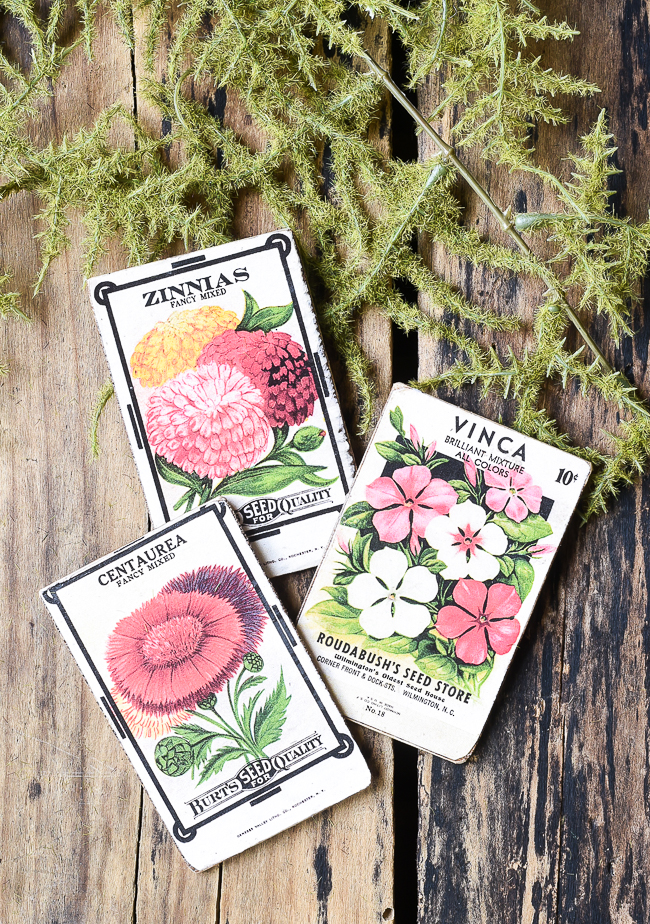
photo via littlehouseoffour.com

Natural Fertilizers for Your Plants

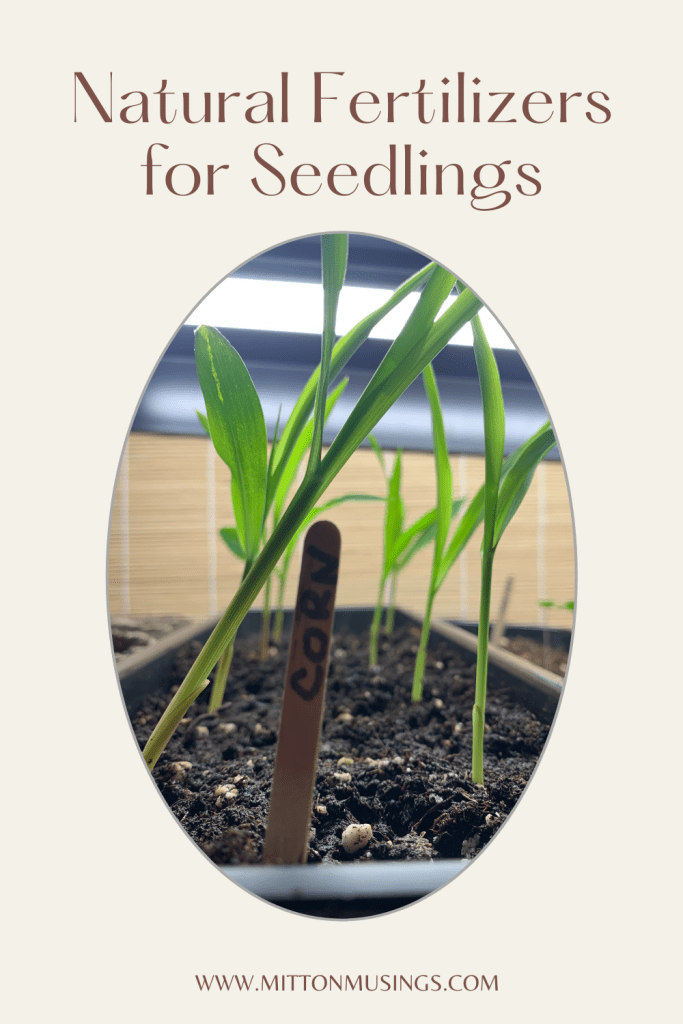
Welcome back! Brrrr… it’s been a chilly day around here with subzero temperatures making my toes cramp up, but my thoughts have been all about spring! Our little seedling garden is continuing to sprout — and the corn is creeping taller (we may have planted these a bit too early! oops!) Alas, we continue to learn by trial and error… but, hey, who says there are rules in the garden, right? Light, water, seeds and soil…that’s all you need, right?

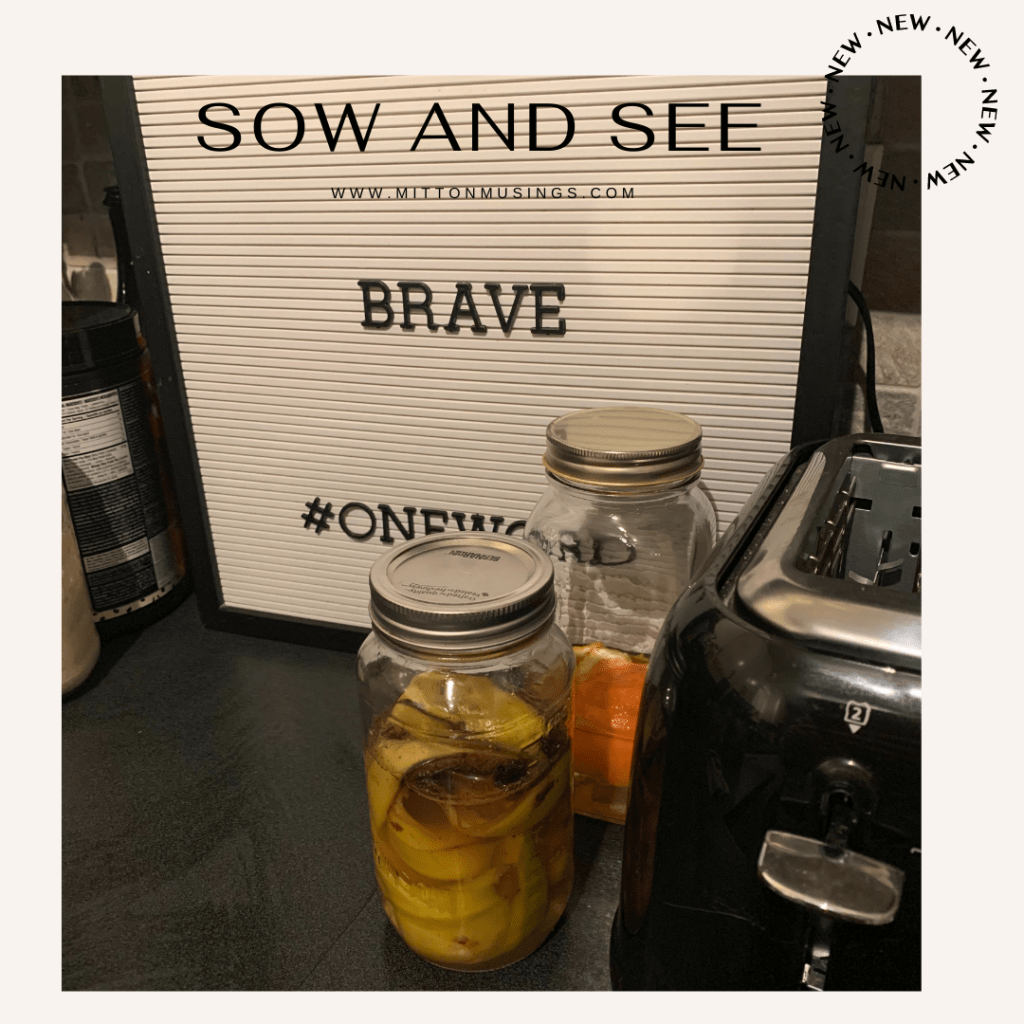
Speaking of soil, I am excited to say that I have added another jar to the counter in the kitchen. No, not containing soil, but a new science experiment to help the soil! My poor hubby, I have mason jars scattered across the counter tops filled with various concoctions that have peaked my interest… my sour dough starter (affectionally known as Herman), orange peels soaking for homemade cleaner, snacks, my S.C.O.B.Y hotel for kombucha and now… banana peels! Yup, a browning, yellow mess has graced the counter in hopes of becoming a nutrient rich fertilizer for our seedlings! The bananas contain potassium, which is not only good for us, but also good for your plants! Here are a few other “natural” fertilizers I found on the great internet:

  • Eggshells: cleaned and dried, these babies add calcium and phosphorus to the soil, as well as reduce the amount of acidity in your pots. (Another reason to have chickens… just sayin’)
  • Coffee Grounds: if you want acidity in your soil, then this additive is the ticket! Combine your empty filter with the dirt, and there ya go! African violets, Christmas cacti and jade plants like the soil with a bit of bite, so give them some java joe!
  • Green Tea: similar to coffee grounds and for the tea toters amoung you, you can use the leftover liquid or the tea leaves themselves to enrich your dirt
  • Molasses: blackstrap molasses is high in calcium, magnesium, iron and potassium. It also contains sulfur and a host of micronutrients. Using molasses as fertilizer provides plants with a quick source of energy and encourages the growth of beneficial microorganisms. Besides, it smells yummy.
  • Fish Tank Water: this is a great one for us (read why, here) What better way to spread the love around while keeping your tank sparkly clean too? Fish poop has too much nitrogen to be good for fish…but your plants will thrive, apparently! Gotta try this one. “Worm tea” has similarities, using the castings of worms as a base for your water mix, but I don’t have a worm bin, and I don’t think a jar of that on my counter would be a welcome sight!
Another jar, added to the counter!

And the final one I found was salt. Now, not just any salt works, in fact, table salt will dry up your plants and cause some root issues, so no sodium chloride… but the salt base in epsom salts and true sea salt will add sodium, iron, calcium, magnesium, potassium and trace amounts of many other minerals to your dirt. Used correctly, sea salt is beneficial to plants, providing them with these nutritional elements. Evidently, sea salt has been used for centuries as a natural fertilizer, especially in Palestine.

An interesting muse, if we consider our parable of the sower that we looked at last week, and the verses about salt in the gospels (Matthew 5:13, Mark 9:50, and Luke 14:34–35). Jesus may have been reffering to the agricultural use of salt that was sprinkled on the soil, as an additive. I found an interesting tidbit about the sower’s seeds that fell on the hardened soil… apparently beaten down paths were common in the fields of the ancient farms… a literal path or trail that cut through the middle of a field. Fertilizer salt would have also been strewn here … and trampled down under foot! No use to the farmer there! Not only did the sown seeds not flourish along the path, but the fertilizer was trampled on too.

So there ya go, my beloveds! Your tidbit of information for this week… salt and light… and maybe some rotten banana peels or worm poop mixed in… makes for great growth. Be blessed, be brave, and be back next week to see what we muse about then!