NEW

new

/no͞o/

adjective

1.not existing before; made, introduced, or discovered recently or now for the first time. example: “new crop varieties”

2.already existing but seen, experienced, or acquired recently or now for the first time. example: “her new bike”

3.just beginning or beginning anew and regarded as better than what went before. example: “starting a new life”

    OXford Dictionary

    New. New outfit. New Beginning. New month, new season, new house, new experiences. Everyone knows what it is like to experience something new. Anticipation mixed with a little anxiety. Perhaps it’s a thing you’ve always waited for. A dream come true. Perhaps it’s a thing you wish wasn’t happening. A new life lived without someone special. A diagnoses or news you didn’t want to know about. “Already existing but seen for the first time.” The spring season is upon us and I am excited for all the “new” around here.
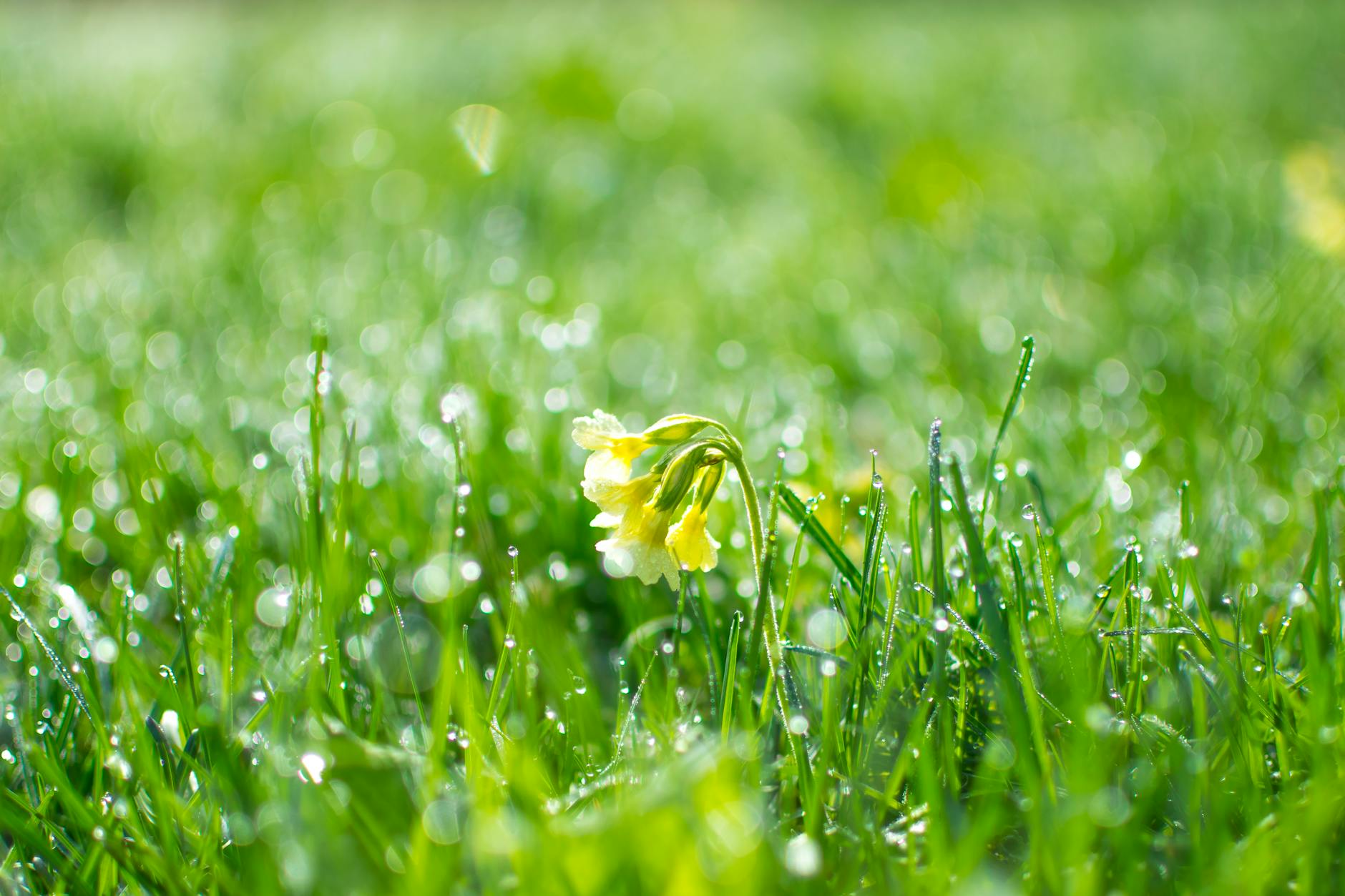
    Photo by PhotoMIX Company on Pexels.com

    I dug around in my flower garden for a bit yesterday. I have daffodils! We were not here last spring so I have no idea what may pop up. There is lots of new growth happening. I also cut back a bunch of old growth so a few new things can happen. It’s going to be work, work and more work. I think it will be worth it though. I’m excited about the possibilities (and much to the hubby’s chagrin, I have plans). A new couple has arrived in our cedar hedges: a pair of mourning doves. I am thrilled. I love their haunting cries! I hope they nest somewhere close by. Traditionally, spring is a time for “new life” and babies arrive! We’ll see what happens around here. Chicks have been ordered…. We celebrated Easter at the farm this year instead of in the city, with new traditions and family bonds. Things are different as we age. Kids grow up. Parents get older and new aches and pains arrive. Technology is ever creeping forward (sometimes quickly!) and everything seems new. We must adapt and change and keep up. Even if we don’t want to.

    I used to say I hated change. I wanted things to stay the same. I wanted things to stay within my comfort zone; in a place where I had control over them and I could feel safe about this or that. The familiar was a good thing and I didn’t want it to mutate away from what I knew. Now, however, as I grow older, I recognize that things must change. Without it there will be no progress. They say our brains get better as we go through new experiences. Our brain health improves when we learn new things and try and change and adapt. It makes our neurons fire and our brain matter grow. Just think about all those “littles” who soak up new information constantly: their brains develop at a crazy pace.

    Easter weekend had me musing about a few things, one of which was this idea of a new way of life… especially for the disciples. We got talking about Jewish traditions and the new movement of “Christianity” among the early church. Can you imagine the scene where the world as you know it gets turned upside down because of some radical who was crucified and now has been raised from the dead? Can you imagine if they had social media back then? Taylor Swift or Kate Middleton wouldn’t even be on the radar. Jesus would be all the talk.

    Photo by Thirdman on Pexels.com

    Yet, Christ followers would have to adapt to a whole new way of life after the events of Easter. Three years of radical existence climaxes into political upheaval, arrests, scattering and thoughts of “what now?!” Do you default to what you know? Go back to the old way of life? Do you trudge forward, taking on the risks that may lie ahead? Do you hide and wait it out, hoping things will settle down and go away? I suppose all the options were available and each one did, as we would, their own thing.

    I’m not sure there is a “right or wrong” outcome to all things new. There is no real way to approach it. Time brings change and there is nothing we can do to avoid it. Let’s embrace it, together, shall we? Join us each week here and keep up with all the crazies of our new country abode and all the changes we take on! I’m on all the social media, too, because it is important to learn new things. Like blogging, and reels, and writing, and social media. Blessings, beloveds.


    Want to see how my writing has changed? Take a journey back to the early days of mittonmusings. Here is a good one about new things!

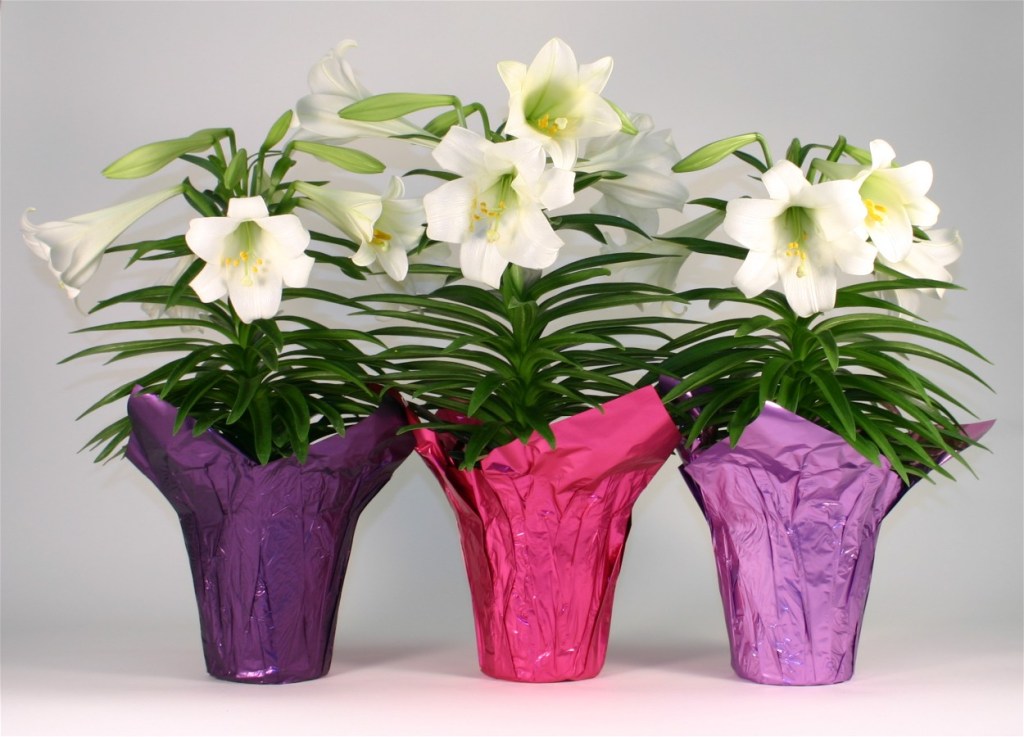
    Easter Lily

    Happy Easter! It’s been a little different this year, hasn’t it? We were blessed enough to be able to go to church… real, in person church… but celebrations were low key due to Covid. Was it the same where you are? No Easter bonnets, no new outfits, no spring flowers, and no Easter lilies. (We did eat chocolate, so that was a thing). Usually, the church altar is decked out with a few pure white Lilium longiflorums, or Easter lilies, that usually get distributed out after the service to brighten someone’s day. They are highly poisonous to cats, so I choose to share. Besides, I am not a fan. Easter lilies stink. To me, they smell like “death”.

    That sounds a little harsh, I suppose, but I don’t like the fragrance. The white, trumpet like flowers are usually ladened with pungiant yellow pollen and always remind me of funerals — or Easter — which, to be realistic, has me musing about death. Death seems to be one of those things a good Canadian doesn’t want to talk about, and I am not sure why. Especially as Jesus followers. Easter reminds us that Christ has swallowed up death, and we sing about His victory over it, etc. etc. We “believe” it — but too many times we deal with death in an unhealthy way. Too many of us fall into deep dispare and find it difficult to climb out of that pit. Now, before the hubby tells me I’m cold-hearted, of course, I mourn with others at the loss of a loved one… even a beloved pet gets me going; but the truth is, death is a very big part of life. And the death of a believer should have us rejoicing that he or she is celebrating in Heaven. Not pining for some selfish wish for the “way it was”.

    So many other cultures and religions “celebrate” death. Unfortunately, it is often tied to the unknown afterlife of the individual and assuring their “profitable” passage to their eternal homes… or tied to the “spirits” left behind and assuring they are appeased by the living. You’ve probably heard of opening the windows of the home to allow spirits to have “free access” out…or perhaps Mexico’s famous “Día de Los Muertos.” This is a massive event that lasts three days, beginning on October 31. According to Mexican traditions, families have the responsibility to keep the memory of loved ones present for as long as possible. Walk through any cemetery and you’ll witness first hand how memories often keep us burdened by the thoughts of this life… what we did here and whether it will get us to the next. Sorry, no amount of flowers — or good deeds — will secure your spot.

    Let’s get back to lilies, shall we? Originally native to some islands in Japan, the bulbs were brought to Oregon by WWI soldier, Louis Houghton, who shared them with his gardening friends. Apparently they are very difficult to propigate and Oregon and California are still prime producers. Farmers often work for years to produce enough flowers to properly bloom to supply us with our Easter decorations. (Perhaps I need to appreciate them more). Often referred to as “white-robed apostles of hope,” their colour symbolizes the purity of Christ, who was free from sin. The trumpet shape of the Easter lily represents a trumpet sounding the message that Jesus has risen, and the nature in which lilies grow is symbolic of the resurrection as well: from ugly bulbs that are underground for three years or longer, they become beautiful flowers. This process is reminiscent of Jesus’s brutal death and holy resurrection. Thus, lilies represent rebirth and hope, just as the resurrection does in the Christian faith. (via southern living.com)

    They still stink, though. But, I suppose, before I wrinkle up my nose at them, I should be reminded that they may be a fitting symbol to decorate with at Easter. A good reminder of our life in Christ, free of worry and heartache, because He, has indeed, conqured death!

    The Cross

    It’s been a busy week here, as Easter celebrations are completed, chocolate has been consumed, and we’ve enjoyed having the whole Mitton crew around for a long weekend. In this week’s blog, I want to continue our thoughts from last week, and examine the way that images can spark so many emotions for us. (In case you are a new visitor to the the blog and missed that great read… you can check it out here).

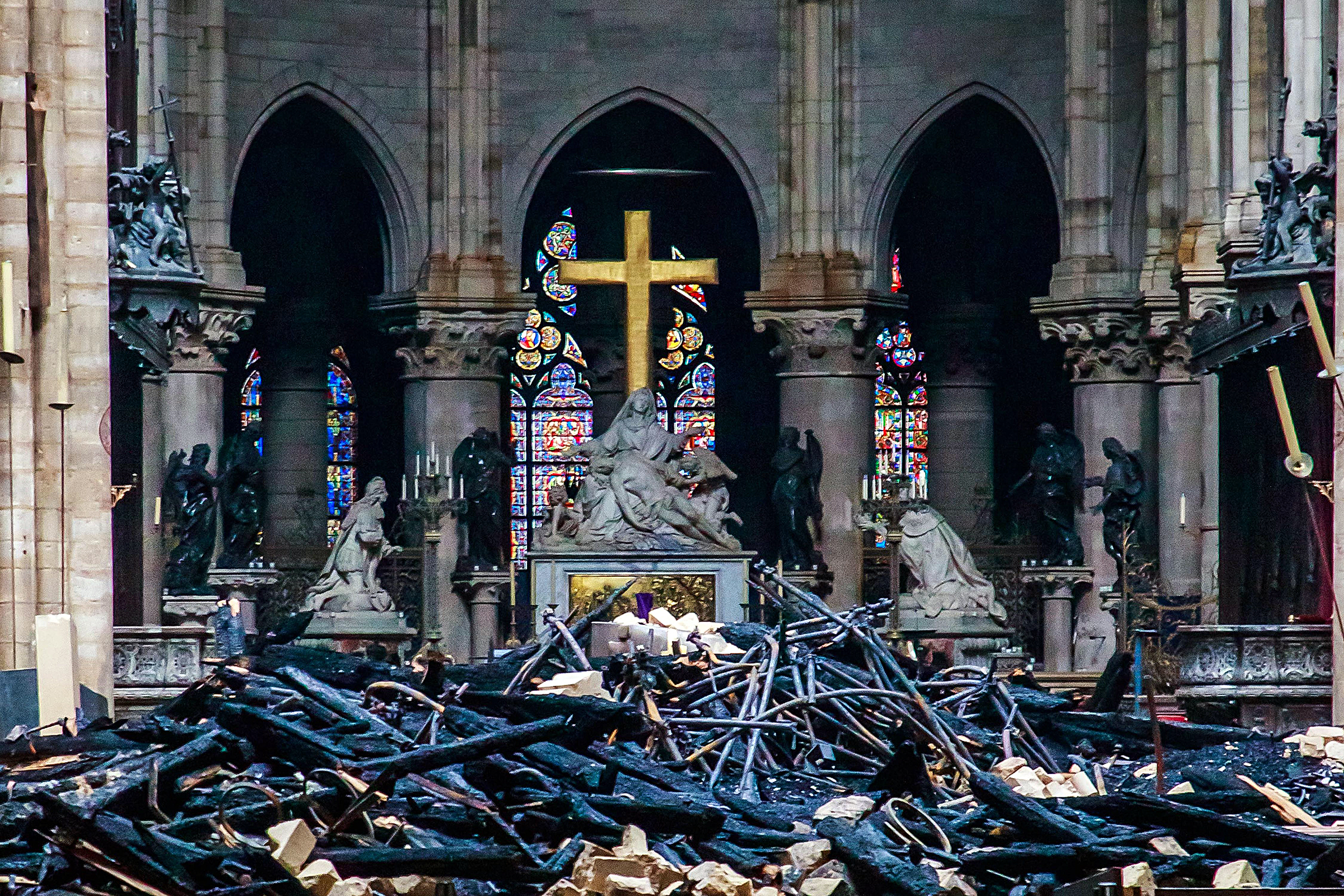
    Specifically, I want us to focus on the image of the cross. The cross design has taken many forms: from the simple wooden “t” — to very ornate and beautiful beacons encrusted with jewels and gold. Jesus follower or not, most people are familiar with the image of a cross and it’s association to the crucifix, or depiction of Jesus’ death on Good Friday. It certainly sparks emotion for people… one way or the other! History has presented us with burning crosses of protest, crucifixes to ward off evil, and rows of white crosses amidst blood red poppies. It seems an appropriate image to look at since we are in the throwbacks of Easter and have seen some powerful images from the recent Notre Dame cathedral fire from April 15th. I watched, along with many others in the world, as the spire collapsed and the roof of this beautiful, old building was engulfed in flames. Many of my social media sights were dotted with the images of personal photos of Paris visits before the destruction, but one news image in particular caught my eye:

    Mandatory Credit: Photo by CHRISTOPHE PETIT TESSON/POOL/EPA-EFE/REX/Shutterstock (10205506cs) A view of the cross and the sculpture ‘Pieta’ by Nicholas Coustou behind debris inside the Notre-Dame de Paris in the aftermath of a fire that devastated the cathedral, in Paris, France, 16 April 2019. The fire started in the late afternoon on 15 April in one of the most visited monuments of the French capital. Cathedral of Notre-Dame of Paris fire aftermath, France – 16 Apr 2019

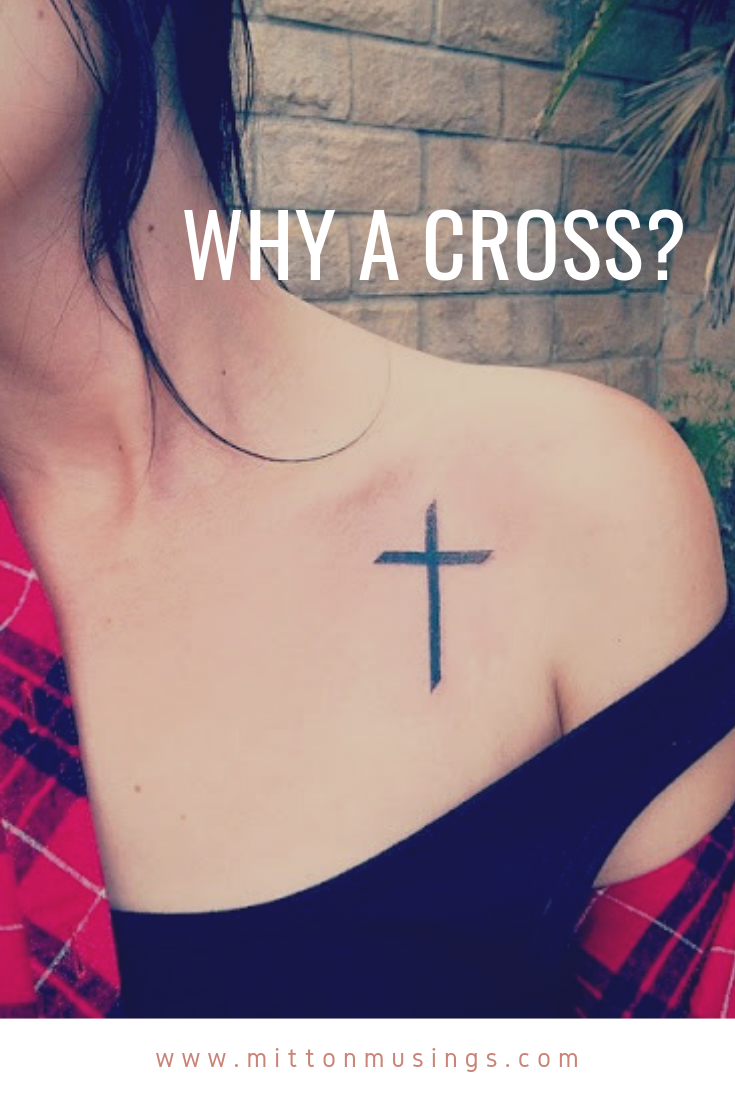
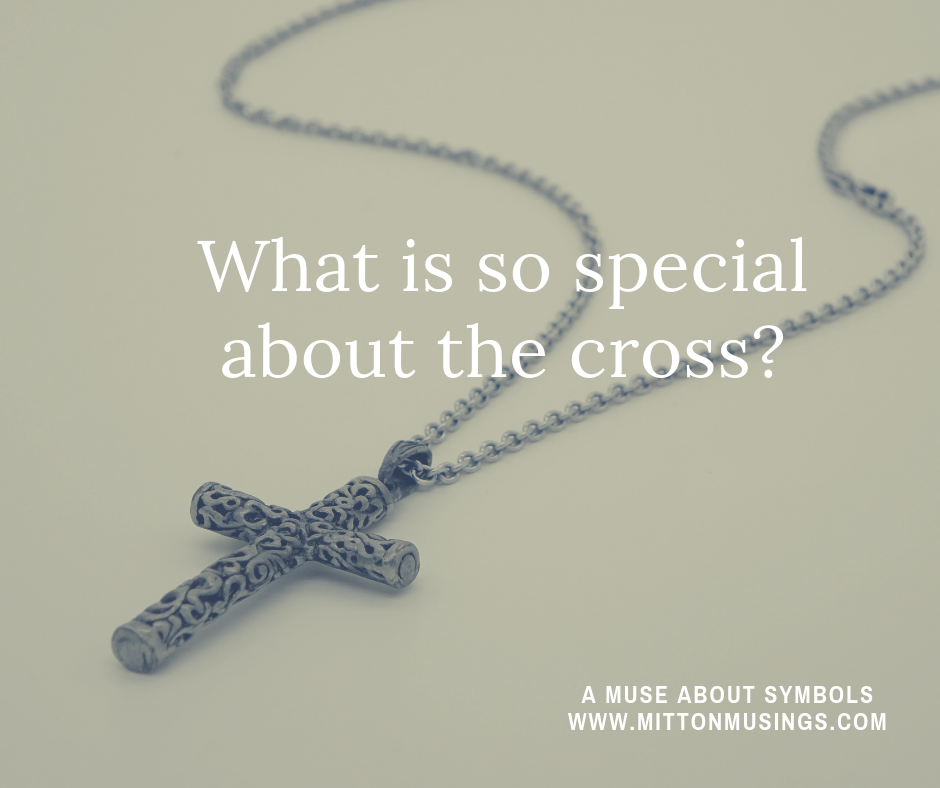
    It was hailed as a “glimmer of hope” or a “miracle” that the cross within the Notre Dame Basilica still stood – despite the destruction all around it. And so I muse: what is so special about the cross? This simple shape is immediately associated with Christianity. Our graves are marked by it, our churches are adorned with it, we tattoo it on our bodies and wear it around out necks. But if we take a moment to really think about it, does it seem odd to hold such a device of torture in such revere? Seriously. Do we wear guillotines on our sleeves? Little electric chairs around our wrists? Skulls and crossbones? (okay, maybe that one gets tattooed a lot …) But you get the picture.

    Crucifixion was reserved for the vilest of criminals. The hanging on a cross was proposed to be a political show of guilt, as a way to shame the criminals as they hung from stakes or crossbeams along public walkways. Displayed as spectacles for all good citizens to take note of. The victims essentially were asphyxiated as they hung, and their bodies were often left to be eaten by the buzzards and wild dogs as the ground was considered “too sacred” to allow criminals of such stature to desecrate it. The death itself is painful and slow. It is where we get our word “excruciating” from… not the prettiest of images to admire. It’s no wonder we fluff up Easter with yellow flowers and cute bunnies.

    So, why a cross then? I’m going to propose that the cross has been allowed to stand as a symbol of Christianity, because our Creator embedded the ability to see past our sinful natures (and all it’s desires for pain and torture) into the spark of hope that occurred on Easter Sunday; when Jesus defeated that painful death, and rose again to give us the victory over our sin. The news stations were right when they declared the remaining cross in Notre Dame as a “glimmer of hope”. It has become a reverse icon… not promoting pain, but seen as the ability to move beyond destruction to the deliverance from the evils of this world — through Christ.

    It’s important for us to see two sides to every story. One cannot see light unless you’ve been exposed to the darkness. One cannot experience true joy unless you’ve felt the pain of grief. Perhaps we embellish our symbols a tad too much. The golden cross left standing in Notre Dame didn’t do so by it’s own miraculous merit. Hunks of metal and clay statues do not save our sins. We must remember that the cross is not the saving grace itself, but the one who overcame this vilest form of death. It’s true. Images can spark such deep emotion within us. And symbolism is simply one way to elicit those responses. So, yes, feel free to wear that shiny gold and silver cross around your neck. Light it a top your church frame for all the world to see… but not as a magic icon, but as a conversation starter. As an image to add insight to a much, much deeper story of hope, compassion and love. The love of a Saviour for a dark and desolate world.