The Advent Candle of Hope

Once upon a time, a small table stood in the corner of an old church. Upon it sat four candles. Their lights were dim and barely glowing. The shadows cast were gloomy and silent, and you could scarcely hear the candles speak. The first candle whispered, “I am Peace. But these days are dark with war and no one wants to keep the Peace anymore.” The Peace candle slowly flickered out into a puff of silent smoke.

The second candle jiggled slightly at the sight of Peace’s flame extinguishing. “I am Faith. Very few have kept the Faith these days — and I am tired of fighting. I am no longer essential in today’s society.” The Faith candle had no more energy and flickered out.

As it watched the other two candles, the sad third candle spoke, barely audible in the now dimly lit corner. “I am Love, but I no longer have the strength to carry on. People put me aside and don’t understand my importance. They even forget to love those who are nearest to them.” Waiting no longer, the third candle of Love quickly extinguished completely.

Suddenly, a small child entered the church’s barely lit sanctuary and sees that three candles are no longer burning and begins to cry. “Why are you no longer aflame?! You are supposed to stay lit until the end!”

It is now, that the fourth candle speaks gently to the small child. “Don’t be afraid, for I am Hope, and while I still burn, we can re-light the other three candles, and encourage them to share their light!” With shining eyes and a tear-streaked face, the child took the Candle of Hope and lit the other three candles. A warm glow once again enkindled the old church sanctuary.

The moral of the story is: Never let the flame of Hope go out of your life, for no matter how bad things look, Faith, Peace and Love can continue to shine brightly if there is Hope.

I came across this little story (by an unknown author) and adapted it here for my post about our first week of Advent: The candle of HOPE. Romans 5 reminds us that even through our trials, hope brings about good. If our hope is in Christ, our futures are bright. He brings the joy of the season fresh and new. Sometimes called the prophecy candle, the first candle of Advent can remind us that not only did Jesus come to earth on the first Christmas night, but He is coming again soon!

Abstract Advent – Four Purple Candles

Biblical Hope waits and endures. It isn’t flimsy or merely wishful thinking. It can withstand fire, trials and despair. It can spark the flame of Love, Peace and Faith. Feel the warmth of Hope’s glow my beloveds! Until next week!


Want more advent musings?

Try these links:

The Cross

It’s been a busy week here, as Easter celebrations are completed, chocolate has been consumed, and we’ve enjoyed having the whole Mitton crew around for a long weekend. In this week’s blog, I want to continue our thoughts from last week, and examine the way that images can spark so many emotions for us. (In case you are a new visitor to the the blog and missed that great read… you can check it out here).

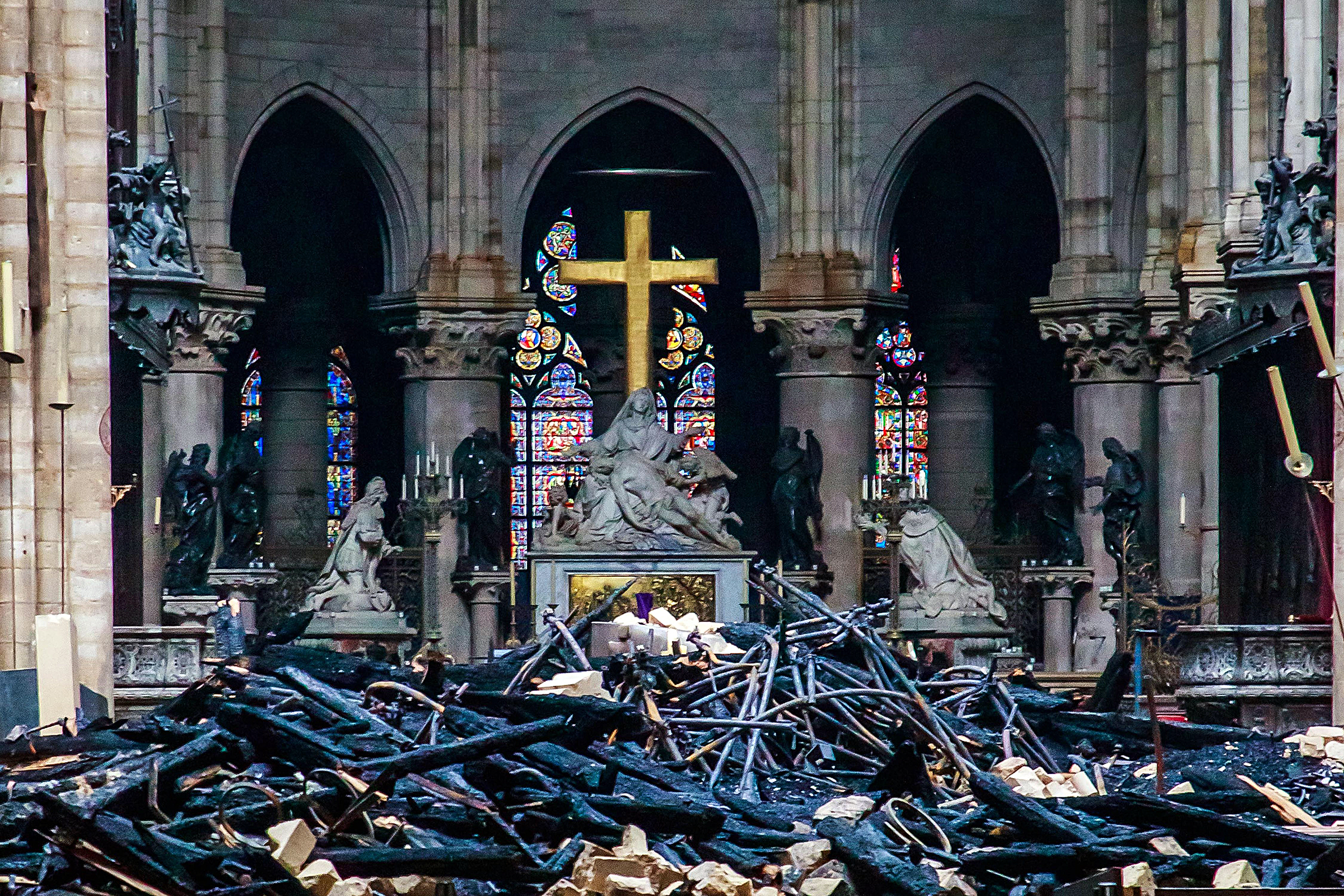
Specifically, I want us to focus on the image of the cross. The cross design has taken many forms: from the simple wooden “t” — to very ornate and beautiful beacons encrusted with jewels and gold. Jesus follower or not, most people are familiar with the image of a cross and it’s association to the crucifix, or depiction of Jesus’ death on Good Friday. It certainly sparks emotion for people… one way or the other! History has presented us with burning crosses of protest, crucifixes to ward off evil, and rows of white crosses amidst blood red poppies. It seems an appropriate image to look at since we are in the throwbacks of Easter and have seen some powerful images from the recent Notre Dame cathedral fire from April 15th. I watched, along with many others in the world, as the spire collapsed and the roof of this beautiful, old building was engulfed in flames. Many of my social media sights were dotted with the images of personal photos of Paris visits before the destruction, but one news image in particular caught my eye:

Mandatory Credit: Photo by CHRISTOPHE PETIT TESSON/POOL/EPA-EFE/REX/Shutterstock (10205506cs) A view of the cross and the sculpture ‘Pieta’ by Nicholas Coustou behind debris inside the Notre-Dame de Paris in the aftermath of a fire that devastated the cathedral, in Paris, France, 16 April 2019. The fire started in the late afternoon on 15 April in one of the most visited monuments of the French capital. Cathedral of Notre-Dame of Paris fire aftermath, France – 16 Apr 2019

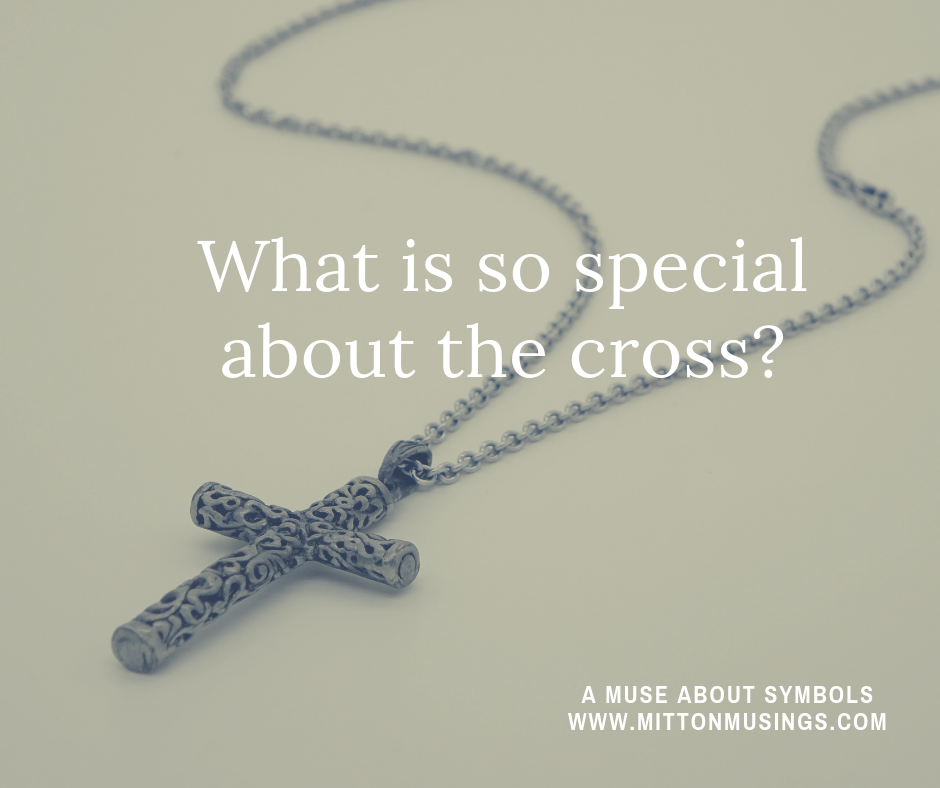
It was hailed as a “glimmer of hope” or a “miracle” that the cross within the Notre Dame Basilica still stood – despite the destruction all around it. And so I muse: what is so special about the cross? This simple shape is immediately associated with Christianity. Our graves are marked by it, our churches are adorned with it, we tattoo it on our bodies and wear it around out necks. But if we take a moment to really think about it, does it seem odd to hold such a device of torture in such revere? Seriously. Do we wear guillotines on our sleeves? Little electric chairs around our wrists? Skulls and crossbones? (okay, maybe that one gets tattooed a lot …) But you get the picture.

Crucifixion was reserved for the vilest of criminals. The hanging on a cross was proposed to be a political show of guilt, as a way to shame the criminals as they hung from stakes or crossbeams along public walkways. Displayed as spectacles for all good citizens to take note of. The victims essentially were asphyxiated as they hung, and their bodies were often left to be eaten by the buzzards and wild dogs as the ground was considered “too sacred” to allow criminals of such stature to desecrate it. The death itself is painful and slow. It is where we get our word “excruciating” from… not the prettiest of images to admire. It’s no wonder we fluff up Easter with yellow flowers and cute bunnies.

So, why a cross then? I’m going to propose that the cross has been allowed to stand as a symbol of Christianity, because our Creator embedded the ability to see past our sinful natures (and all it’s desires for pain and torture) into the spark of hope that occurred on Easter Sunday; when Jesus defeated that painful death, and rose again to give us the victory over our sin. The news stations were right when they declared the remaining cross in Notre Dame as a “glimmer of hope”. It has become a reverse icon… not promoting pain, but seen as the ability to move beyond destruction to the deliverance from the evils of this world — through Christ.

It’s important for us to see two sides to every story. One cannot see light unless you’ve been exposed to the darkness. One cannot experience true joy unless you’ve felt the pain of grief. Perhaps we embellish our symbols a tad too much. The golden cross left standing in Notre Dame didn’t do so by it’s own miraculous merit. Hunks of metal and clay statues do not save our sins. We must remember that the cross is not the saving grace itself, but the one who overcame this vilest form of death. It’s true. Images can spark such deep emotion within us. And symbolism is simply one way to elicit those responses. So, yes, feel free to wear that shiny gold and silver cross around your neck. Light it a top your church frame for all the world to see… but not as a magic icon, but as a conversation starter. As an image to add insight to a much, much deeper story of hope, compassion and love. The love of a Saviour for a dark and desolate world.