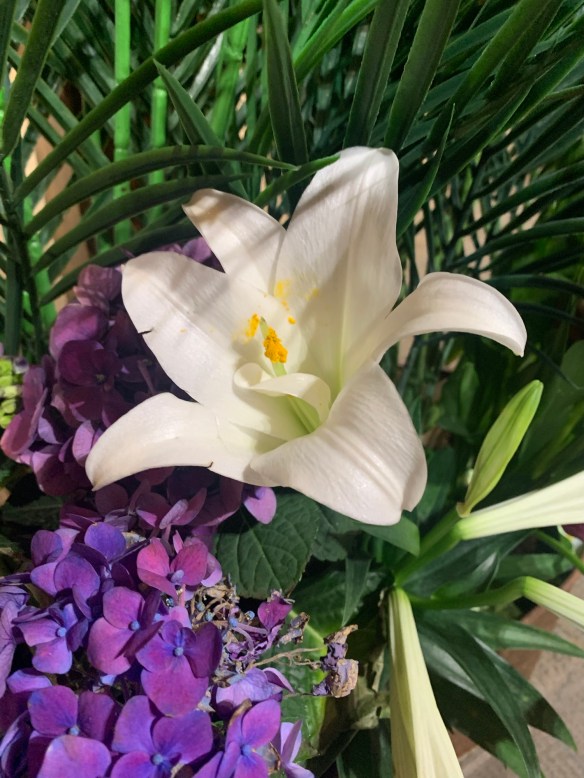
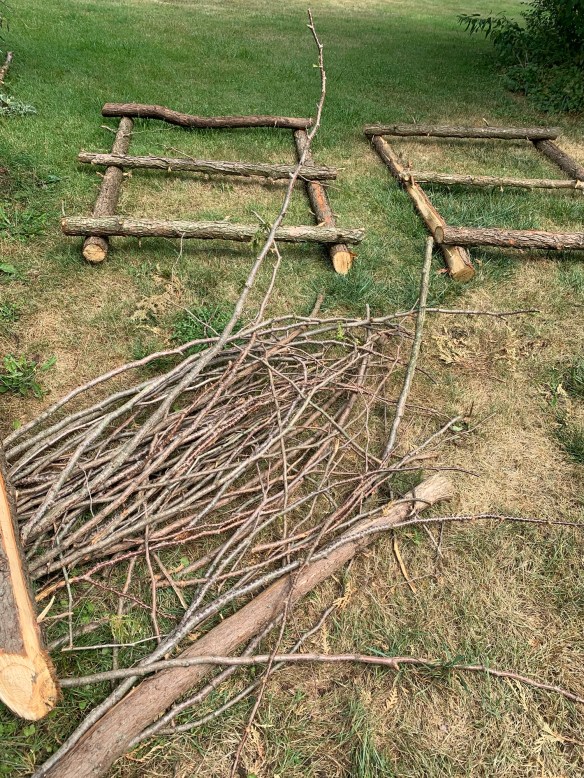
Welcome back to another episode of what on earth is happening and why does it cost so much? Just kidding. I just signed off on our goat shed. And got groceries this week. Yup, feeling the pinch over here. I suspect many of you are in that stage as well, so I’m in good company, eh? Thanks for being here to follow along in the journey! It’s been a whirlwind here and time has not been on our side. Spring finally arrived with a vengeance and left us with no time to catch up. Story of our lives. For recap: firewood pile is on the lawn and not stacked, baby chicks are in the house and growing fast, goat fence is up and shelter ordered but not in yet, baby goats due soon! garden has already sprouted and not cleaned up, maple syrup is a bust this year and we didn’t get to the sap…it will likely be spoiled… but hey! my house is fairly tidy at the moment, so there’s that! Life, as I have said many times, is like that, and I take comfort in knowing that God’s Got This and He sees it all.
So let’s dive in to this week’s muse. I think we’ll continue on the theme we’ve been following on plants and their significance in the Bible. For this week, I came upon the mighty cedar tree. You’ll see it mentioned 103 times in the Bible. “The mighty cedars of Lebanon” built the temples, and refer to strength and royalty. It also refers to a pretty hunk of a good mate ( “He stands tall, like a cedar, strong and deep-rooted, A rugged mountain of a man, aromatic with wood and stone.” Song of Solomon 5:15). Huba Huba… Could be an Old Spice commercial. They probably have a “cedar scent” for their products. Not sure if it was biblically inspired, but they likely have one.
Speaking of great odour, cedar is a favourite of mine as well. Have you ever been to one of those antique shops with an old cedar chest ? I have slight regret for not buying one when I was a teenager… it was all lined with quilting and smelled fabulous. I now own several old crates. Not sure too many of those have that great cedar smell, though. That mix of ruggedness and freshness. Outdoorsy, but still “clean”. Yes, would definitely make a good deodorant.
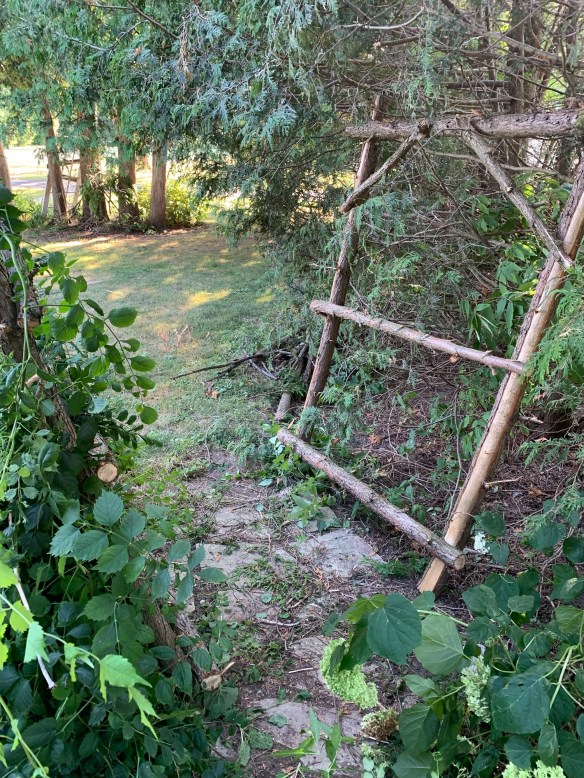
Cedar trees. Itsnotta farm has several cedars surrounding the property. Some are very, very tall and the owls and crows hide in them way up at the top. I can only pick out their bird calls. The evergreen needles hide them well. We also have a cedar “hedge” near the house. I say “hedge” as I think it once was much shorter than it is now. I’ve hacked away at it to build my arbor. Which is still up… but leans to the side slightly. So much for strength and royalty. I guess the good wood was just in the wrong hands. It smelled good though, when I was hacking away at the branches.
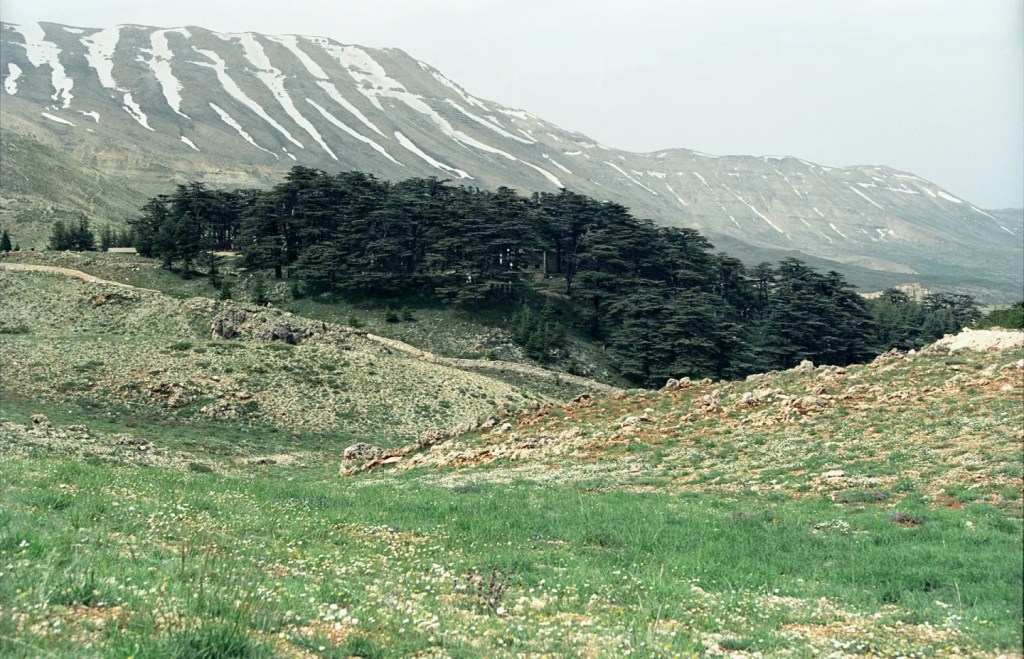
Anyway, another week, another focus. Mighty cedars. What does it mean to you? A sweet aroma, reminding you that God’s in control and will be your source of strength? A symbol of power and royalty, used to build the mighty temples and palaces that held the likes of Solomon the wise? A tall evergreen to hide and protect us in its branches?
It’s good to take a look around once and awhile and notice things and wonder why they are there. It’s why I do this little thing every week. Lately, I feel like my writing hasn’t been as focused, but if someone somewhere gets something out of it, then I suppose my little musings are worth it. In this world of AI and auto generated everything, it’s nice to have a little unprofessional blip about nothing in particular every now and then, yes?
And so, as I go out to do my farm chores every morning, or hear the owl call from somewhere in the branches at night, I’ll think (and smell?) about our little cedar hedges, and be reminded of the mighty cedars of Lebanon and the strength they brought to the ancient world. And now, I hope you’ll be reminded of them, too, and trust that the mighty Creator of the cedars thinks about you as well! Be blessed, my friends!